

Loose Dentures Are Common, and They Can Almost Always Be Improved
If your dentures slide when you laugh, click when you talk, or shift when you eat, you’re not alone. You may have started avoiding certain foods, cutting meals into smaller pieces, or relying on denture adhesive more often than before.
Loose dentures are a common concern, and they don’t necessarily mean your dentures need to be replaced. Your gums and jawbone naturally change over time, while your dentures retain the shape they had when they were first made.
The good news is that several treatments can improve denture stability and comfort. Dr. Despina Markogiannakis at Smiles of Chevy Chase explains why dentures become loose and how we can help restore a more secure fit. Call our Chevy Chase dental office at (301) 652-0656 to schedule an appointment.
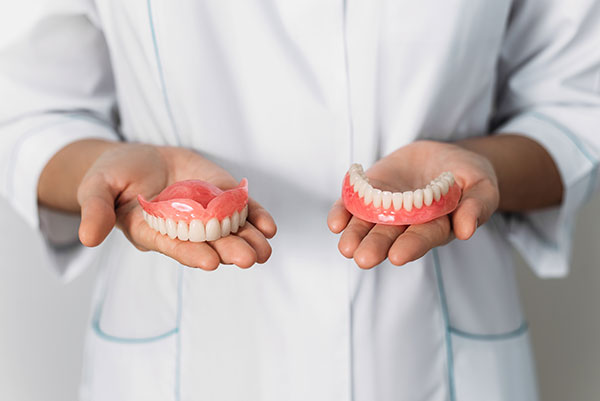
Why Do Dentures Become Loose?
Dentures are made to fit the shape of your mouth at a particular point in time. As your gums, jawbone, and other oral structures change, that original fit may become less accurate.
Here are some common reasons dentures lose their stability.
Changes in Your Gums and Jawbone
One of the most common reasons dentures become loose is gradual jawbone shrinkage, also called bone resorption. After natural teeth are removed, the bone that once supported their roots begins to change. As the jawbone shrinks, the gum ridge becomes flatter, leaving space between your dentures and gums.
These changes can also affect people who recently received immediate dentures. During the first few months after extractions, swelling decreases, and the gums reshape as they heal. As a result, immediate dentures often need adjustments or relines to maintain a comfortable fit.
Wear and Changes in the Denture
Dentures don’t last forever. Over time, chewing can wear down artificial teeth, while the denture base may become damaged or lose its original shape.
Sometimes, dentures never fit properly from the beginning. If they’ve always felt unstable, adjustments or replacement may be necessary to improve their fit.
Changes in Your Health and Weight
Significant weight changes can affect the soft tissues in your mouth and face, potentially changing how your dentures sit. Certain medications and medical conditions can also cause dry mouth.
Because saliva helps dentures maintain their seal against your gums, reduced saliva production can make them feel less secure. Let us know if you’ve experienced changes in your health or started taking new medications.
Why Lower and Partial Dentures Can Become Loose
Lower dentures are often more difficult to stabilize than upper dentures. Upper dentures can use the roof of your mouth to create suction, while lower dentures have less surface area and must work around the tongue.
Partial dentures have different challenges. They rely on clasps attached to remaining natural teeth for support. If those teeth shift, wear down, or develop periodontal (gum) disease, the clasps may no longer hold the denture securely.
Signs Your Dentures Need Attention
How can you tell if your dentures need professional attention? Look for these common signs:
- Your dentures slip, shift, or lift when talking, laughing, or eating.
- You hear clicking or clacking sounds when speaking.
- You need more denture adhesive than you used to.
- Food frequently gets trapped underneath your dentures.
- Your gums develop sore spots, redness, or irritation.
- Chewing becomes difficult, or you start avoiding certain foods.
You don’t have to wait until your dentures cause significant discomfort before scheduling an appointment. Even minor changes in fit are worth having evaluated.
Why You Shouldn’t Ignore Loose Dentures
It may seem easier to manage loose dentures with adhesive, but an unstable fit can create additional problems over time.
- Oral Irritation and Infections: Dentures that move against your gums can cause sore spots, inflammation, and ulcers. Poorly fitting dentures can also contribute to denture stomatitis, a yeast-related inflammation that develops underneath the denture.
- Difficulty Eating: When chewing becomes uncomfortable, you may begin avoiding certain foods or limiting your diet to softer options, potentially affecting your nutrition.
- Changes in Your Gums and Jaw: Continued movement and pressure can irritate oral tissues and make future denture adjustments more difficult.
Addressing the problem early may allow us to improve the fit with a relatively simple adjustment or reline rather than requiring more extensive treatment.
What We Can Do About Loose Dentures
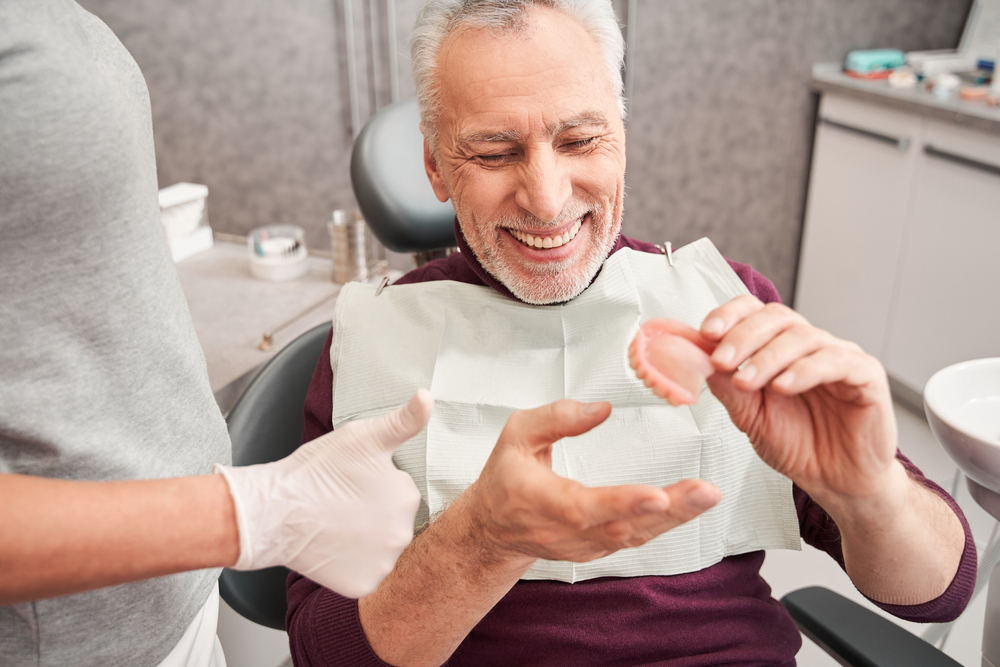
The right solution depends on why your dentures have become loose and whether the dentures themselves are still in good condition.
At Smiles of Chevy Chase, Dr. Markogiannakis examines your dentures, bite, gums, jaw, and remaining natural teeth before recommending treatment.
Denture Adjustments and Relines
Sometimes, a small adjustment is enough to improve comfort and stability. We can correct rough edges, pressure points, or areas that interfere with your bite.
If your gums have changed shape, a denture reline may be more appropriate. This involves adding new material to the inside of the denture so it fits the current contours of your gums. Relines are particularly helpful when the denture teeth and base are still in good condition.
Denture Repairs and Rebasing
If your denture base is cracked or worn, a repair may restore its function. In some cases, the base can be replaced while keeping the existing artificial teeth.
This option may work when the teeth are still in good condition, but the foundation needs attention.
Replacement Dentures
If your dentures are significantly worn, damaged, or no longer fit properly despite adjustments, a new set may be the better option.
New dentures are made using impressions of your current mouth, allowing us to account for changes in your gums and jaw. Replacement may improve stability, chewing ability, and overall comfort.
Implant-Supported Dentures
For patients who continue struggling with loose dentures, particularly lower dentures, implant-supported dentures may offer another solution.
Also called snap-in dentures or overdentures, these restorations attach to dental implants placed in the jawbone. The implants provide additional support, helping the denture stay in place while improving chewing stability.
Implant-supported dentures require surgery and healing time, and not everyone is a candidate. We’ll evaluate your bone health, oral health, and treatment goals before determining whether this option makes sense.
Learn more about our dental implant treatment options.
Can Denture Adhesive Fix Loose Dentures?
Denture adhesive can provide additional stability when used correctly, but it isn’t a substitute for properly fitting dentures.
If you find yourself applying more adhesive throughout the day just to keep your dentures in place, it’s a sign that something may have changed.
Keep these precautions in mind:
- Follow the manufacturer’s instructions and avoid using more adhesive than recommended.
- Clean adhesive residue from your dentures and gums every day.
- Don’t use household glue or other adhesives to repair damaged dentures.
- Avoid filing, grinding, or using over-the-counter reline kits to change the fit yourself.
Some denture adhesives contain zinc, so excessive long-term use should be avoided. Always follow the product directions.
If your dentures are painful or won’t stay in place, remove them and contact your dentist rather than attempting to adjust them yourself.
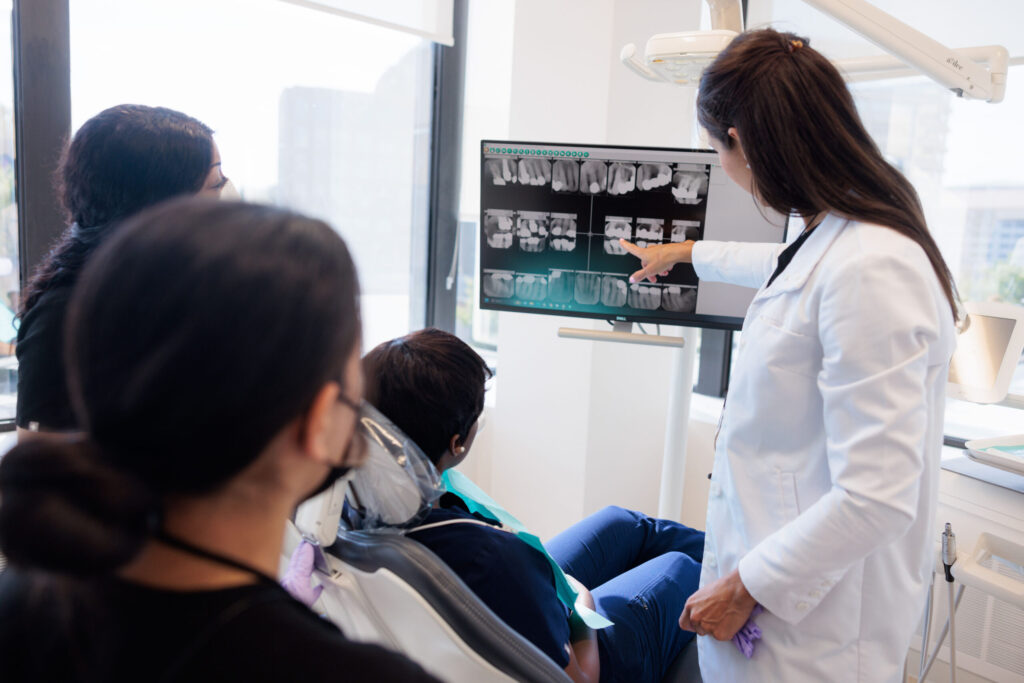
What to Expect at Your Visit with Dr. Markogiannakis
If you’ve been putting off an appointment because you’re worried about being judged or told you need an expensive replacement, we want you to feel comfortable discussing your concerns.
During your visit to Smiles of Chevy Chase:
- We’ll examine your dentures and oral health. Dr. Markogiannakis evaluates the denture fit, wear, bite, gums, jaw, and any remaining natural teeth. Digital X-rays and an intraoral camera may also be used when helpful.
- We’ll explain your treatment options. Once we identify what’s causing the looseness, we’ll discuss appropriate solutions, including adjustments, relines, repairs, or replacement.
- We’ll help you plan your care. Our team will review the expected costs, treatment timeline, and available payment options before moving forward. You can also visit our financing page to learn more.
Our goal is to help you find a comfortable, practical solution without recommending treatment you don’t need.
How to Keep Dentures Fitting Well Longer
Even well-made dentures require regular care and occasional adjustments. These habits can help maintain their fit and condition:
- Schedule regular dental check-ups. Have your dentures and oral tissues evaluated periodically, even if you aren’t experiencing discomfort.
- Clean your dentures daily. Use a soft denture brush and non-abrasive cleanser. Remember to clean your gums, tongue, and remaining natural teeth.
- Remove dentures overnight. Unless we’ve advised otherwise, give your gums time to rest and store your dentures in water or an appropriate soaking solution.
- Report changes in your health. Let us know about significant weight changes, new medications, dry mouth, or changes in how your dentures fit.
Don’t wait for soreness or difficulty eating before having your dentures checked.
Ready for Dentures That Stay Put? Let’s Get You Comfortable Again
You shouldn’t have to plan your meals, conversations, or social activities around whether your dentures will stay in place. If they’ve started slipping, clicking, or causing irritation, the right treatment may help you feel comfortable and confident again.
Dr. Despina Markogiannakis and the team at Smiles of Chevy Chase welcome you for a friendly, no-pressure visit. We’ll evaluate your dentures, explain what’s causing the problem, and help you find a solution that fits your needs and budget.
Call (301) 652-0656 or request an appointment online to schedule a visit. As a trusted Chevy Chase dentist, we welcome patients from Chevy Chase, Bethesda, Rockville, and Silver Spring, MD.
