TMJ Therapy in Chevy Chase, MD
At Smiles of Chevy Chase, our Chevy Chase, MD, dentist, Dr. Markogiannakis, offers TMJ therapy so you can alleviate pain and discomfort.
Find Lasting Relief from Jaw Pain with TMJ Therapy at Smiles of Chevy Chase
Jaw pain, clicking, and morning headaches aren’t something you have to live with. At Smiles of Chevy Chase, our Chevy Chase, MD, dentist, Dr. Markogiannakis, offers personalized TMJ therapy to help you find lasting relief from temporomandibular joint disorder (TMD). Whether your symptoms are mild and occasional or severe and constant, our team creates a customized treatment plan built around your specific diagnosis, medical history, and comfort.
If you’ve been searching for a “TMJ dentist near me,” you’ve found your team. Call (301) 652-0656 to schedule a consultation at our Chevy Chase dental office and take the first step toward a pain-free smile.


What Is TMJ Therapy? Understanding TMD and the Jaw Joint
Your temporomandibular joint, the hinge connecting your mandible (lower jawbone) to the temporal bone of your skull, works every time you speak, chew, or yawn. When that joint or its surrounding jaw muscles become inflamed, misaligned, or overworked, the result is temporomandibular joint disorder, more commonly known as TMD or TMJ disorder.
TMJ therapy is the umbrella term for the treatments used to relieve TMD symptoms and restore normal jaw function. It isn’t one-size-fits-all: the right approach depends on what’s driving your symptoms, their severity, and what’s realistic for your lifestyle. Some patients find relief through simple lifestyle changes; others need a combination of physical therapy, an oral appliance, and ongoing monitoring. Dr. Markogiannakis will walk you through every option before recommending a path forward.
Common TMJ Symptoms We Treat
TMD can show up in ways that don’t always feel like a “jaw problem” at first. Patients often come to us after weeks of unexplained symptoms, including:
- Frequent headaches or migraines, especially upon waking
- Clicking, popping, or grinding sounds when opening your mouth
- Jaw pain or tenderness in the jaw muscles, face, or neck
- Difficulty chewing, or a jaw that feels like it's "catching" or locking
- Earaches or a ringing sensation without an ear infection
- Facial swelling or tension around the jaw joint
If any of this sounds familiar, it’s worth having it evaluated rather than waiting it out. Untreated TMD tends to get harder to manage, not easier.

TMJ Treatment Options at Our Chevy Chase Dental Office
Most patients start with non-invasive treatment and only move to more advanced options if symptoms persist.
Non-Invasive TMJ Treatments
- Lifestyle Modifications: Dr. Markogiannakis may recommend softer foods (yogurt, mashed potatoes, scrambled eggs, and cooked vegetables), cutting food into smaller pieces, and avoiding hard or chewy foods that force wide jaw movement. Improving posture and managing stress—a major contributor to jaw clenching—are often part of this first step.
- Physical Therapy: Targeted exercises to stretch and strengthen jaw muscles, improve joint mobility, and correct the posture patterns that contribute to jaw tension.
- Oral Appliance Therapy: A custom-fitted mouth guard or splint reduces clenching and teeth grinding (bruxism) overnight and helps stabilize the jaw in a more comfortable resting position.
- Medications: Over-the-counter NSAIDs like Advil or Aleve, prescription muscle relaxers, or other anti-inflammatory medications to manage pain and swelling while other therapies take effect.
Advanced TMJ Treatments
- Botox Injections: Botulinum toxin injected into overactive jaw muscles to reduce tension and pain—a well-established option for chronic TMD that hasn't responded to conservative care.
- Arthrocentesis: A minimally invasive procedure that flushes the joint to remove debris or excess fluid and improve movement.
- Surgery: For severe structural issues, procedures like arthroscopy or open-joint surgery may be necessary to repair the joint.
How TMJ Disorders Connect to Bite Alignment
Jaw pain and bite alignment are more closely linked than most patients realize. An uneven bite can force your jaw muscles to overcompensate, increasing strain on the temporomandibular joint and contributing to clenching or teeth grinding over time. That’s why orthodontic treatment is sometimes part of a comprehensive TMJ therapy plan.
If bite misalignment is contributing to your symptoms, Dr. Markogiannakis may discuss options like Invisalign clear aligners to gradually correct your bite and ease pressure on the joint. For patients whose primary issue is nighttime clenching rather than alignment, a custom night guard is often the simpler, faster path to relief.

Why TMJ Therapy Matters
Left untreated, TMD rarely stays the same—it tends to progress, and the muscle tension and joint strain it causes can start affecting more than just your jaw. TMJ therapy addresses the problem at its source, and patients typically notice benefits, including:
- Reduced pain and inflammation in the jaw, face, neck, head, and ears
- Improved jaw function, making chewing, speaking, and yawning easier and less painful
- Decreased bruxism and clenching, which lowers stress on the joint and surrounding muscles
- Prevention of further joint damage, lowering your risk of complications like arthritis or chronic pain
- Better sleep, since jaw clenching and TMD are frequently linked to poor sleep quality and, in some cases, sleep apnea
- A noticeably improved quality of life—eating, speaking, and even smiling without discomfort
What To Expect During Your TMJ Treatment at Smiles of Chevy Chase
TMJ therapy involves a detailed process of evaluation, diagnosis, and treatment for TMJ disorders. Because each case is unique, your specific treatment plan will vary depending on the severity of your symptoms, the underlying causes, and the type of therapy or interventions required.
1. Exam and Diagnosis
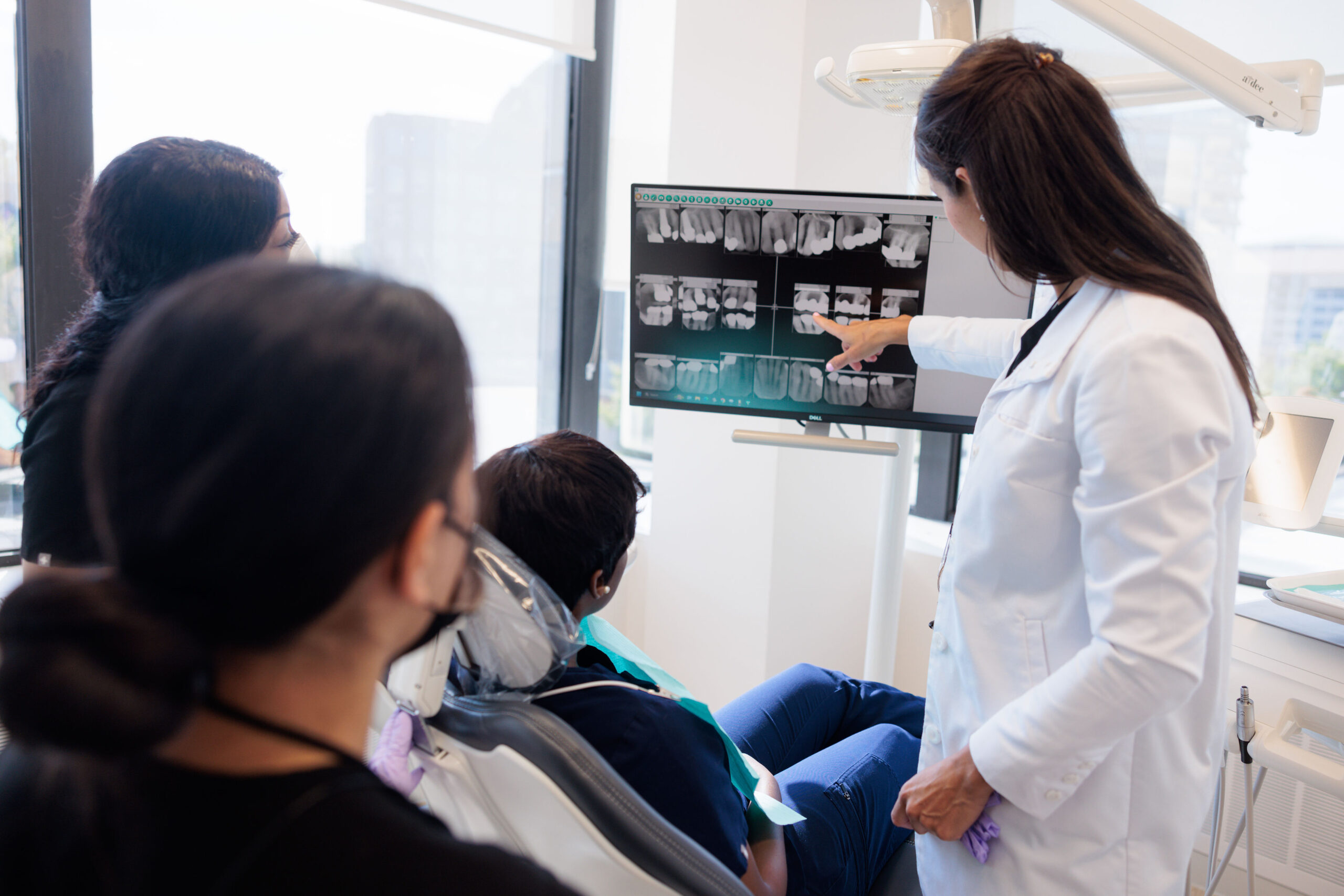
Dr. Markogiannakis starts by reviewing your medical history, symptoms, and lifestyle factors like bruxism or jaw injuries. During your exam, we'll evaluate jaw movement and muscle tenderness and listen for clicking or popping. Diagnostic imaging—X-rays, CT scans, or MRI—may be used to get a clear picture of the joint's structure.
2. Personalized Treatment Plan
Based on your diagnosis, we'll build a treatment plan tailored to your needs. Most plans start with non-invasive therapy—physical therapy, an oral appliance, medication, or stress management—before considering more advanced treatment.
3. Ongoing Care and Monitoring
TMJ therapy isn't always a one-and-done fix. Regular follow-up visits let us track your progress, adjust your treatment plan as needed, and address new symptoms early. If you have questions between visits, our Chevy Chase team is a phone call away at (301) 652-0656.
Frequently Asked Questions
What can I do at home to manage TMJ symptoms?
Jaw exercises, alternating heat and cold packs, avoiding hard or chewy foods, managing stress, and maintaining good posture can all help. A nightguard is especially effective if grinding or clenching is part of the problem—it prevents your teeth from touching, reduces the physical effects of clenching, and can help support better bite alignment over time.
Can TMJ therapy completely cure TMJ disorders?
It depends on the underlying cause and severity of your TMD. Many patients see a significant reduction in symptoms and a real improvement in quality of life. Some require ongoing management, while others achieve long-term relief through therapy and lifestyle changes alone.
How long does it take to see results from TMJ therapy?
Some patients notice relief within a few weeks; others need several months of treatment and adjustments. Staying consistent with your treatment plan is the biggest factor in how quickly you’ll feel better.
Can stress cause or worsen TMJ disorders?
Yes. Stress increases muscle tension and is a common trigger for jaw clenching and teeth grinding. Relaxation techniques, mindfulness, and behavioral therapy can meaningfully reduce TMD symptoms.
Is there a TMJ dentist near me in Chevy Chase?
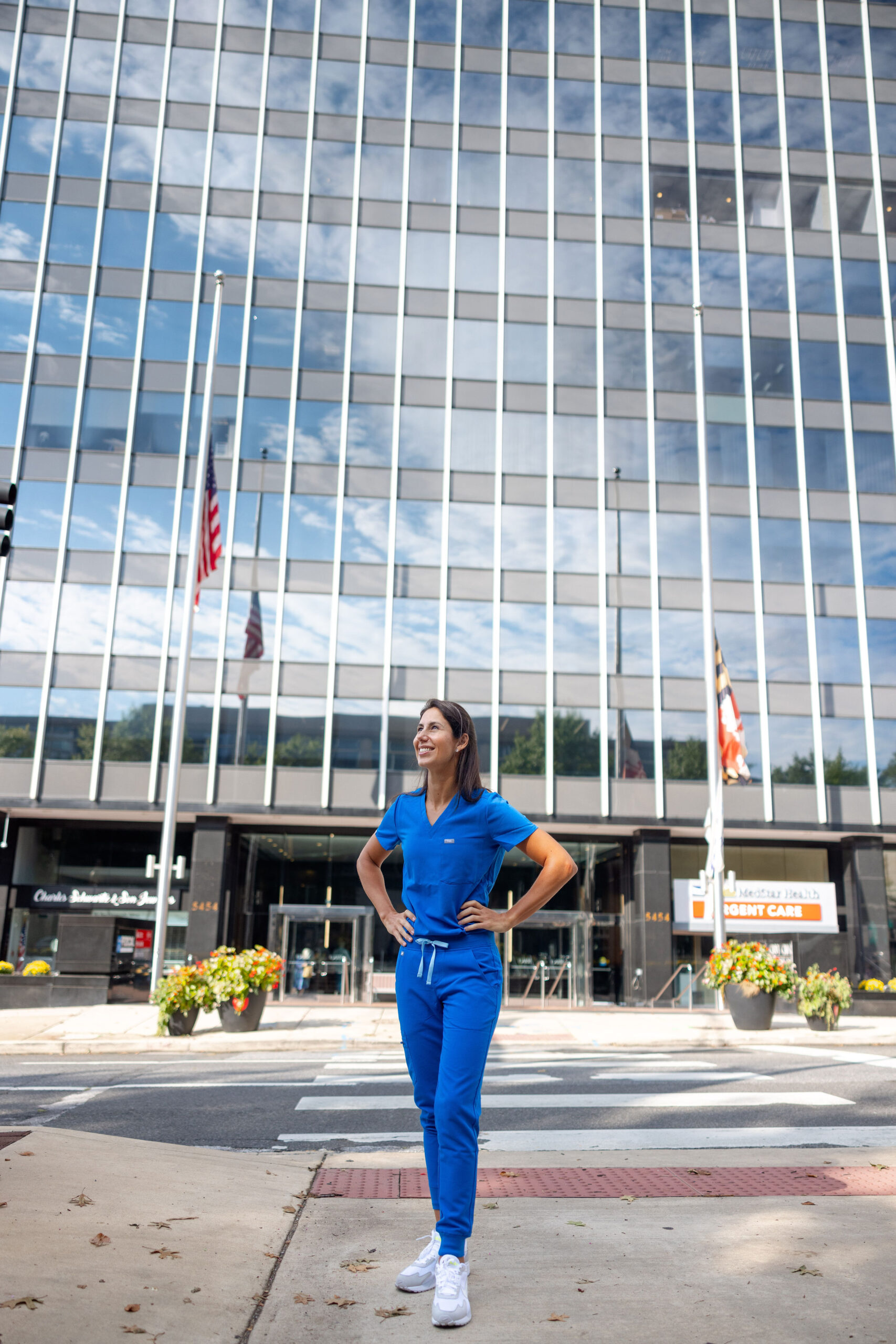
Yes—Smiles of Chevy Chase is located at 5454 Wisconsin Ave, Suite 810, in Chevy Chase, MD, and Dr. Markogiannakis has extensive experience diagnosing and treating TMJ disorders for patients throughout the area. While our office is based in Chevy Chase, we regularly welcome patients from Bethesda, Potomac, and the surrounding Montgomery County communities for TMJ therapy and general dental care.
Schedule Your TMJ Consultation in Chevy Chase, MD
Don’t let TMD take hold of your life. Dr. Markogiannakis and the team at Smiles of Chevy Chase will build a TMJ therapy plan around your needs so you can get back to eating, speaking, and sleeping without pain.
Contact our Chevy Chase, MD, dental office at (301) 652-0656 to schedule your appointment today—we’re here for patients near you, from Chevy Chase to Bethesda and Potomac.